


-

Add: HeBei ShengShi HongBang Cellulose Technology CO.,LTD.
-

Email
13180486930@163.com -

CONTACT US
+86 13180486930



Fiberglass for Concrete Mix Enhancing Strength and Durability Concrete is one of the most widely used construction materials in the world, known for its strength and versatility. However, it does have its limitations, such as brittleness, susceptibility to cracking, and overall weight. To tackle these challenges, the incorporation of fiberglass into concrete mixes has emerged as a game-changing solution that boosts performance while maintaining the same traditional characteristics of concrete. What is Fiberglass? Fiberglass, or glass fiber, is a reinforced plastic material composed of fine fibers of glass. It is known for its high strength-to-weight ratio, excellent resistance to corrosion, and impressive insulation properties. When added to concrete mixes, fiberglass can significantly enhance the material's overall performance, making it a popular choice in various construction applications. Benefits of Fiberglass in Concrete Mixes 1. Improved Tensile Strength One of the most significant advantages of incorporating fiberglass into concrete is the enhancement of tensile strength. Traditional concrete tends to be strong in compression but weak in tension, which can lead to cracks and structural failures. By adding fiberglass, the tensile strength increases, making the concrete more resistant to stress and load-bearing requirements. 2. Reduced Shrinkage and Cracking Fiberglass acts as a reinforcement that helps to minimize shrinkage during the curing process. This reduction in shrinkage translates to a decreased risk of cracking, which is often a common issue in standard concrete mixes. By effectively controlling cracking, fiberglass-reinforced concrete extends the lifespan of structures and reduces the need for repairs. 3. Lightweight Composition The lightweight nature of fiberglass compared to traditional reinforcement materials like steel means that concrete mixes can maintain lower overall weight. This can reduce the structural load on foundations while still providing the necessary strength and durability. Such lightweight composition is particularly advantageous in projects where load restrictions are critical. fiberglass for concrete mix 4. Enhanced Durability Fiberglass is naturally resistant to corrosion and chemical attack, which can often plague concrete exposed to harsh environmental conditions. By incorporating fiberglass, the resulting concrete becomes more robust against moisture penetration, temperature fluctuations, and aggressive chemicals, making it ideal for use in areas such as coastal regions, industrial sites, or places with severe weather. 5. Cost-Effectiveness While there may be initial costs associated with adding fiberglass to concrete mixes, the long-term savings are significant. The durability and reduced maintenance associated with fiberglass-reinforced concrete often lead to lower repair and replacement costs over the lifecycle of a structure. Additionally, the efficiency of construction and the potential reduction in material usage can further offset expenses. Applications of Fiberglass-Reinforced Concrete The application of fiberglass in concrete mixes spans across various sectors including residential, commercial, and industrial construction. From precast concrete products to architectural elements, such as facades and sculptures, fiberglass enhances the performance and aesthetic appeal of concrete structures. One notable application is in the construction of pavements and flooring systems. The addition of fiberglass not only improves the structural integrity but also provides slip resistance, ensuring safety in both industrial and commercial environments. Moreover, the use of fiberglass in thin overlays and shotcrete processes shows significant promise, allowing for quick application with high durability. Conclusion In conclusion, the integration of fiberglass into concrete mixes presents a wealth of benefits that significantly enhance the material's performance. Improved tensile strength, reduced shrinkage, enhanced durability, and lightweight composition make fiberglass-reinforced concrete an excellent choice for modern construction projects. As the construction industry continues to evolve, adopting innovative materials like fiberglass will be crucial in meeting the demands for stronger, more resilient, and cost-effective building solutions. By embracing these advancements, engineers and architects can create structures that not only stand the test of time but also contribute to more sustainable development practices.
- 40000tons

Production
- 20+years

Experience
- 5000+㎡

Acreage

-
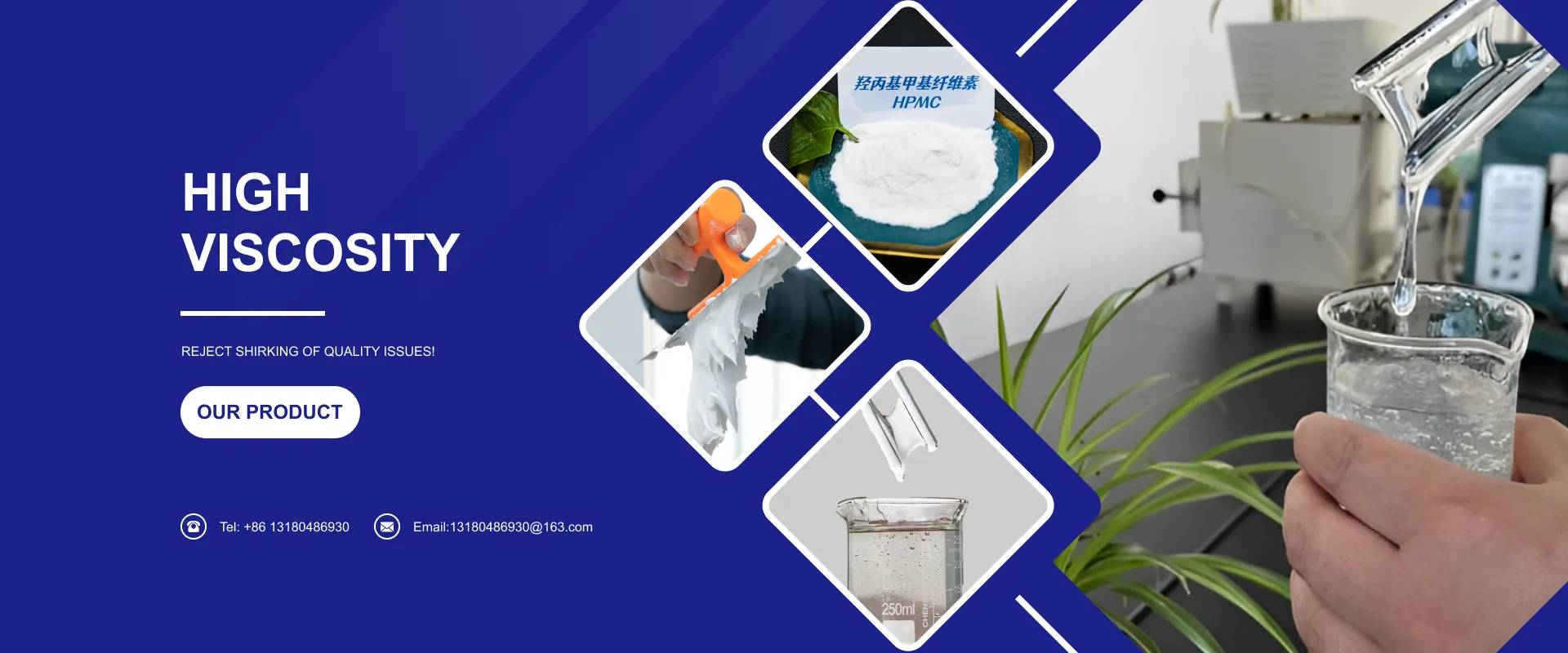
Hydroxypropyl methylcellulose, commonly abbreviated as HPMC, stands for a multifaceted polymer with numerous applications in various industries, thanks to its unique properties. This versatile compound is widely regarded for its exceptional binding, thickening, and stabilizing characteristics, playing a pivotal role in product development across sectors such as pharmaceuticals, food, and construction. HPMC's application in the pharmaceutical industry exemplifies its value and utility . As an inert, viscoelastic substance, it is primarily utilized in formulating controlled-release drugs. The polymer's ability to modify drug release rates enhances therapeutic efficacy and patient compliance. Its safety and effectiveness are evidenced by extensive research studies and FDA approvals that certify its use in pharmaceutical tablet coatings and encapsulations. Scientists and pharmaceutical experts acknowledge HPMC's critical role in the successful delivery of active ingredients, underscoring its expertise and authoritative position in drug formulation processes. In the food industry, HPMC finds significant application as a food additive, particularly in gluten-free products. It acts as a substitute for gluten by providing the necessary structure and elasticity, ensuring that gluten-free baked goods maintain a desirable texture. The polymer's role in improving water retention and extending shelf life further highlights its importance. Experts in food science frequently explore HPMC's role in dietary fiber enrichment, which bolsters its status as a credible and trusted component in food manufacturing. hpmc stands for The construction industry also benefits from HPMC's unique qualities, especially in the production of construction materials like cement and plaster. HPMC enhances the workability of mortar, offering improved water retention and increased adhesion. This, in turn, leads to reduced cracking and increased durability, essential features in modern construction projects. Construction engineers and material specialists recognize the authoritative impact of HPMC in enhancing structural integrity, underlining its necessity in high-quality construction practices. The impact of HPMC extends beyond its functional properties; its sustainability aspect also contributes to its growing popularity. Derived from cellulose, one of the most abundant natural polymers, HPMC is biodegradable and lessens the environmental footprint typically associated with synthetic additives. Environmental and chemical engineers emphasize the importance of sustainable practices in material development, and HPMC stands at the forefront, bridging the gap between efficacy and environmental responsibility. In conclusion, Hydroxypropyl methylcellulose is a compelling example of a multifunctional polymer that has seamlessly integrated into diverse applications across different industries. Its demonstration of efficacy, backed by scientific research and regulatory approval, establishes trust and authority in its usage. The capacity to drive innovations in pharmaceuticals, food, and construction illustrates its broad expertise. As trends increasingly point towards sustainable and efficient solutions, HPMC stands as a testament to the ingenuity of material science in adapting to modern demands, firmly establishing its place as an indispensable product ingredient.
-
HPMC 5 cps는 최근 다양한 산업에서 중요한 역할을 하고 있는 성분으로, 특히 제약 및 식품 분야에서 그 중요성이 날로 증가하고 있다. 이 제품에 대한 이해는 관련 전문가들뿐만 아니라 소비자들에게도 유익한 정보를 제공한다. 이 기사에서는 HPMC 5 cps의 유용성, 사용 사례 및 그 중요성에 대해 깊이 있는 정보를 제공하고자 한다. HPMC(Hydroxypropyl Methylcellulose)는 식물성 소재로부터 유래한 비이온성 셀룰로스 에테르다. 그 중에서도 HPMC 5 cps는 점도 특성을 기준으로 분류된 제품으로, 다양한 응용 분야가 있다. 점도는 cps(centipoise) 단위로 측정되며, 다소 낮은 점도의 HPMC 5 cps는 특정 응용 분야에서 요구되는 특성을 충족할 수 있다. 전 세계적으로 여러 제약 회사들은 HPMC 5 cps를 코팅 및 제형 설계에 광범위하게 활용하고 있다. 이 제품은 매우 투명한 필름을 형성하여 약물의 산화 및 열로 인한 변질을 방지할 수 있다. 또한, HPMC 5 cps는 무미 무취의 특성을 지녀 약물의 복약 순응도를 높여준다. 물에 쉽게 용해되며 안정적인 필름 형성을 통해 다양한 제형에서 약물 방출 제어에 중요한 역할을 한다. 식품 산업에서도 HPMC 5 cps는 다양한 용도로 사용된다. 이 제품은 식품의 질감 개선, 유지 및 보존력 향상을 돕는다. 특히, 저칼로리 및 식이섬유 보강 식품의 개발에 있어서 중요한 성분으로 활용될 수 있다. HPMC 5 cps는 식물성 기반의 식재료로, 비건 및 채식주의자들에게도 적합하다. 또한, 글루텐 프리 베이킹에서 탄력성과 구조를 제공하는 역할을 함으로써 제품의 품질을 향상시킨다. HPMC 5개의 CPS HPMC 5 cps는 건축용 재료로도 주목받고 있다 . 건축 산업에서는 이 제품이 건조하면서 균열이나 수축을 방지하는 데 크게 기여한다. 또한, 석고보드 접착제 및 시멘트 혼합물의 작업성과 안정성을 보장한다. 이러한 특성 덕분에 건축자재의 수명을 연장하고 유지 보수 비용을 줄일 수 있는 장점이 있다. 수년간의 연구 결과, HPMC 5 cps는 인체에 무해하며, 환경적으로도 친화적인 소재임이 입증되었다. 안정성과 비활성화로 인해 다양한 응용 분야에서 믿을 수 있는 재료로 자리매김하고 있다. 이 제품은 지속 가능성을 고려한 현대 첨단 소재로, 환경에 부정적인 영향을 최소화하면서도 필요한 기능성을 충분히 발휘한다. HPMC 5 cps에 대한 신뢰성을 확보하기 위해, 제조업체들은 국제적인 표준 및 규정을 준수하며, 고품질의 제품을 제공하고자 노력하고 있다. 이로 인해 소비자들은 안심하고 이 제품을 사용할 수 있으며, 장기적으로 안전성과 성능을 보장받을 수 있다. HPMC 5 cps는 첨단 소재로서, 그 활용 범위가 매우 넓다. 이 제품의 다양성과 적용 가능성은 현대 산업에서 그 중요성을 더욱 더 높이고 있다. 그 성능과 안전성은 이미 여러 연구와 시장에서 입증되었으며, 앞으로도 다양한 분야에서 HPMC 5 cps의 잠재력은 무궁무진할 것으로 기대된다.
advantages
-

200000 Viscosities
Excellent product
We can produce pure products up to 200,000 viscosities
-

40000 tons
High yield
We don’t stop production all year round, and the annual output can reach 40,000 tons
-

24 hours
Quality service
We provide 24-hours online reception service, welcome to consult at any time
———— Inquiry Form
Schedule A services
-
 construction_hpmc
Oct . 25, 2025
The increasing prevalence of digital device usage and environmental pollutants has led to a rise in -
 polypropylene_renforce_de_fibre_de_verre
Oct . 25, 2025
Understanding Cellulose in Wood Cellulose is a vital organic polymer that plays a crucial role in th -
 fiberglass_mesh_for_concrete_countertops
Oct . 25, 2025
Concrete polypropylene fibers have revolutionized the construction landscape, offering an innovative


